Kings Park Flowers (Part 4 of 4): Assorted

The final blog post of Australian native flower photos I snapped at Perth’s Kings Park last night and this morning.


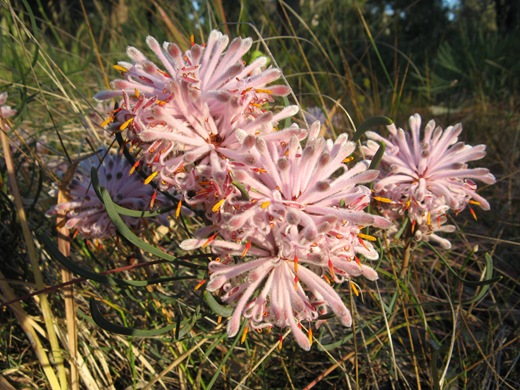
IMG_5508


A Banksia. As a child the Banksia was my favourite flower and I still love them today. Currently, Kings Park’s bushland has very few flowering Banksias. I look forward to seeing them in full bloom during their 2009 flowering season.


IMG_5530


A wildflower


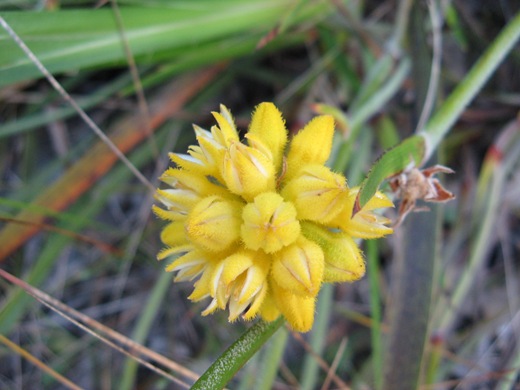
IMG_5534


Intensely yellow Wattle flowers


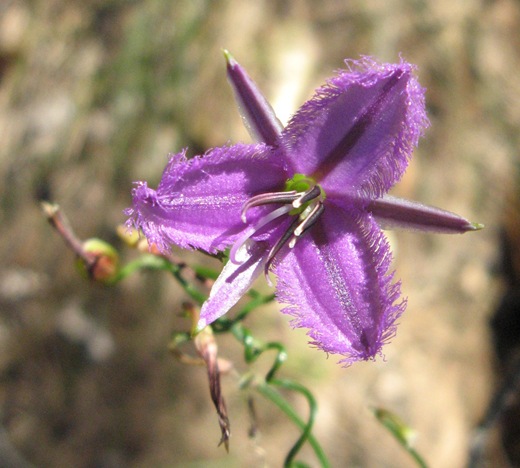
IMG_5539_cropped


A close-up shot of a beautiful purple flower showing the fronds surrounding the three main petals


For my other Kings Park flower photos, visit Parts 1, 2 and 3

Kings Park Flowers (Part 2 of 4): Kangaroo Paw


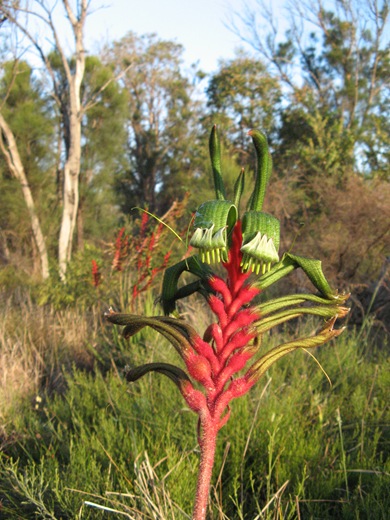
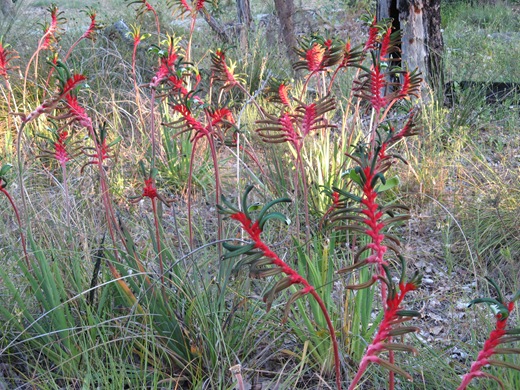
Kangaroo Paws have a striking flower with red stems and green petals instead of the far more common green stems and red flowers. They are endemic only to the south west of Western Australia.


IMG_5482


This Kangaroo Paw stem has several dead blooms (the lower ones), two flowering blossoms (with fronds) and three unopened buds (at the top). Out of focus in the photo’s left central background are a bunch of other Kangaroo Paws. 


IMG_5503 


Several Kangaroo Paws together


IMG_5516


More beautiful Kangaroo Paws for your buck…


IMG_5527


A younger Kangaroo Paw bloom

Kings Park Flowers (Part 1 of 4): Xanthorrhoea


Kings Park, to the south west of Perth’s CBD, is one of the world’s largest inner city parks. The park area contains picnic areas, memorials, a tennis club, cafes, reservoirs and remnant bushland. Most of my time in Kings Park has been spent on the paths in this bushland photographing flowers whilst they are still novel to me as a recently transplanted South Australian.


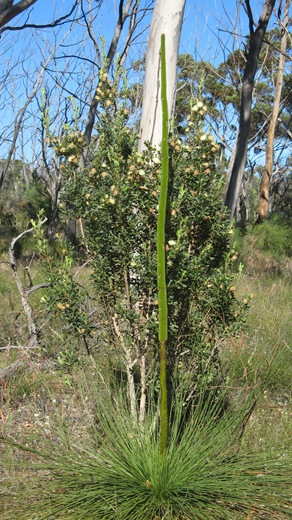
The Xanthorrhoea, also know as yakka, grasstree or blackboy, is a perennial Australian native plant often featuring a spike from which its flowers grow. The spike is usually straight but can vary in shape.


IMG_5513


A young Xanthorrhoea spike posing a question in its pre-flowering stage


 IMG_5517


A straighter spike, also yet to flower


IMG_5544


Bees extracting nectar from a flowering Xanthorrhoea spike


IMG_5545_cropped


A close-up photo of a fly on the white Xanthorrhoea blossom

Perth, Western Australia, My New Home


IMG_5446


I arrived to Perth yesterday afternoon. The 3+ hour QANTAS flight from Adelaide went well except for the bumpy landing and 20 minute wait for an empty bay at Perth Airport. Sat behind me on the plane were Adelaide Crow life member Nathan Bassett, his partner and baby.


IMG_5444


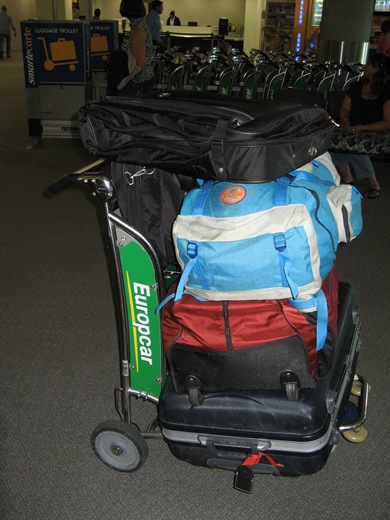
The most luggage I’ve ever travelled with. QANTAS were very good to only charge AUD$22 in extra baggage fees. In comparison, the $4 cart fee at Perth’s Domestic Airport Terminal was an horrendous rip-off.


I’ve already found a house to share. From the 25th I will live in East Victoria Park, close to Curtin University.


This morning I ran through glorious Kings Park and along the Swan River shore into the city. Kings Park’s highlights included Kangaroo Paw, Banksia and Xanthorrhoea plants and flowers along with Australian Ringneck Parrots and Red Wattlebirds.

Oysterfest, Ceduna, South Australia, 3-4 October, 2008

IMG_5411_Ceduna_Oysterfest


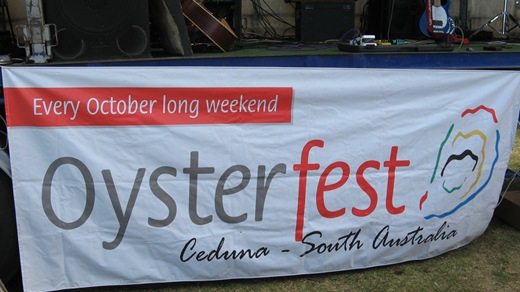
Although the Ceduna Oysterfest festival started in 1990, this was my first festival. As the name suggests, the event is based on the oyster.


The farming of Pacific Oysters (Crassostrea gigas) in the District Council of Ceduna area began in the mid 1980’s and is now practiced in Denial Bay, Murat Bay and Smoky Bay along with other locations across the state. The oysters for this event were supplied by the Zippels of Smoky Bay.
 

IMG_5405_


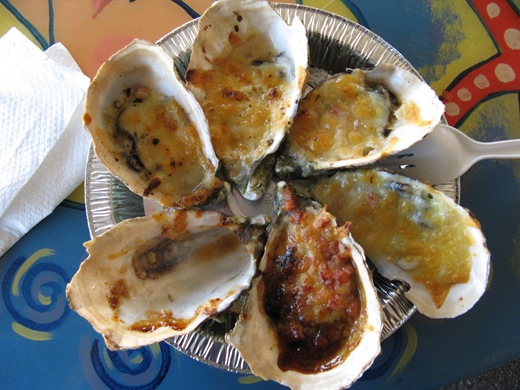
Oysters Kilpatrick, lemon pepper oysters and another variation I don’t recall


The oysters at Oysterfest were delicious although I was surprised that the natural oysters were sold for the same price as the cooked variants ($7 per half-dozen).


From a superficial Adelaideian point of view, besides the limited influence of the oysters, this festival, with its rides, competitions and food stalls, was not very unique. However, I found the community gathering and regional importance of this festival far greater than I’ve experienced in Adelaide. On Sunday I was introduced to a constant stream of visitors who knew my grandparents as we sat in the large marquee. Everybody knows everybody in small towns. I enjoy the anonymity and services of the big city but I also see the benefits of a stronger and smaller community.
 

IMG_5381_chris_sperou


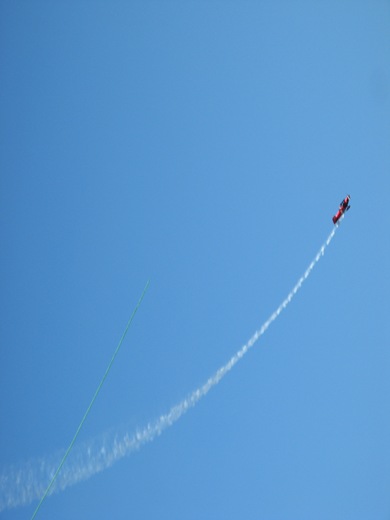
Daredevil stunt pilot and former local Chris Sperou performing tricks for the Oysterfest crowd


IMG_5412


Young kids in the Farmers Union Iced Coffee holding competition


 IMG_5423


During the festival a memorial monument in the shape of a lighthouse was unveiled at Pinky Point in remembrance to those who had lost their lives at sea.


Overall I enjoyed the festival and appreciate its role in the region’s renaissance. Aquaculture, mining and tourism are growing alternative income and employment sources for the Far West Coast of South Australia. When I left as a child in the late 1980s, the district was in slow decline due to its reliance on the inconsistent and weather-reliant grain, lamb and wool industries. 20 years later the place is renewing itself.